Home › Services
Fence installation in Noblesville, from the first stake to the final latch
A new fence in Noblesville looks simple from the street: posts, rails, boards or panels, a gate. The part homeowners rarely see is the planning that decides whether it still stands straight in ten winters. Where exactly is the property line? Has the association signed off on the style? What is buried under the side yard? How will posts behave in heavy Hamilton County clay that swells, freezes and heaves? This page walks through the installation sequence the way an experienced installer thinks about it, so you can read a proposal with a sharp eye. Once you have a rough idea of the line, pass along the property address with pictures of the yard, and a local fence contractor can schedule a visit to measure.
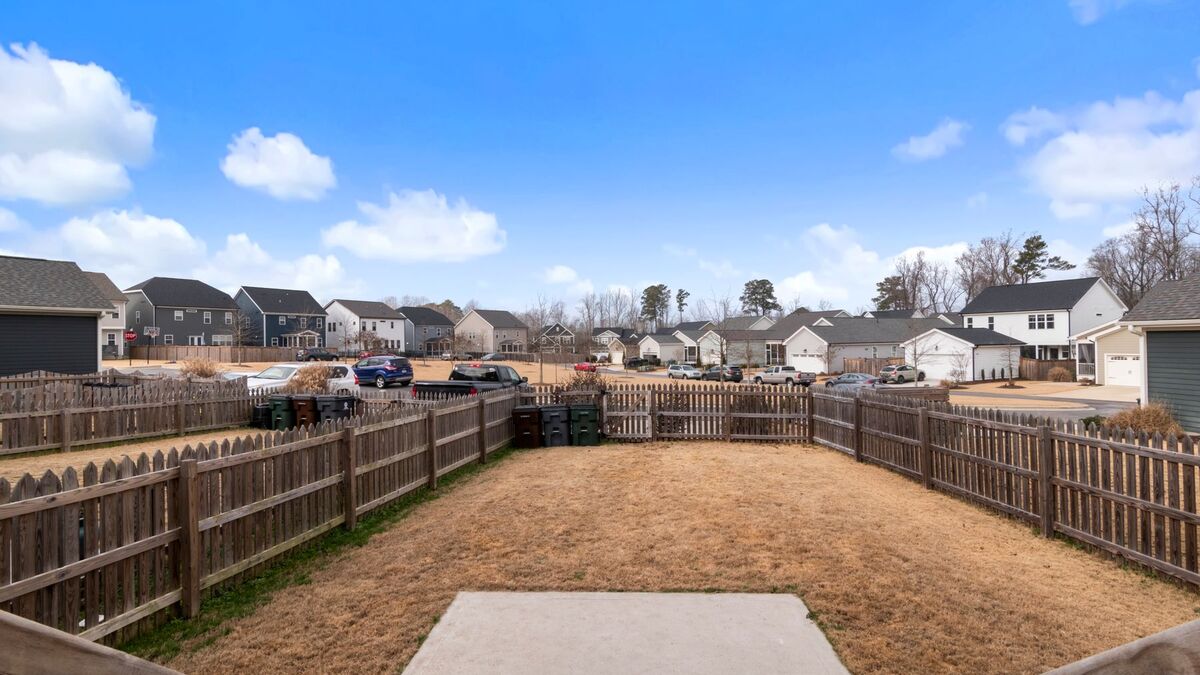
Start with the line: survey pins, plats and who owns the strip
Every installation begins with a question that sounds easy and often is not: where does your lot actually end? Many Noblesville subdivisions were platted with iron pins or capped rebar set at each corner, but landscaping, sod and years of mowing tend to bury them a few inches down. A metal detector and a probe usually turn them up. If the pins are missing, disturbed or disputed, the safe move is a fresh boundary survey before anyone digs.
Your closing paperwork may include a plat or a mortgage location report. A location report is not a boundary survey, though. Easements matter just as much as the line itself. Drainage and utility easements commonly run along rear and side lot lines, and a fence built across one can be ordered moved or cut open when the utility or the drainage board needs access.
Many owners choose to set the fence a little inside the line rather than exactly on it. Either way, ask to walk the staked layout before any hole is opened.
Indiana 811 and what is hiding under the yard
Indiana law expects anyone digging to request utility locates first, and fence post holes count. Indiana 811 is the free call-before-you-dig service. Member utilities then mark their buried lines with colored paint and flags.
Those marks only cover lines the utilities own. Private lines are yours to find: an invisible dog fence wire, irrigation pipe and heads, low-voltage landscape lighting, a buried feed to a detached garage or a hot tub, a gas line to a grill. Point out anything you know of before the layout is final. A hole that lands on a marked line gets shifted along the run, which can change a section width and sometimes a gate position.
Association review and city or town permits in Hamilton County
Homeowner associations are the rule rather than the exception across Hamilton County subdivisions, and most of them have a written fence standard. Those standards typically cover allowed materials and colors, maximum height, whether a privacy style is permitted at all, which face points outward, and how far forward of the rear corner of the house a fence may start. Some allow only open styles; others ban chain link outright.
Get written association approval before any material is ordered. Committees usually want the fence line drawn on your plat plus a product photo or spec sheet, and review can take weeks, so start while you collect quotes.
Separately, the city or town that governs your address may require a fence permit, and rules about corner lots, sight triangles at driveways and fences in easements usually come from that office. Check with the city or town for your specific address rather than relying on a neighbor's experience; rules differ between jurisdictions and change over time.
Digging post holes in central Indiana clay
Most of Noblesville sits on glacial till: dense, sticky clay mixed with stones, sometimes with a thin topsoil layer and sometimes with none at all. Newer subdivisions sit on graded, compacted fill that can hide construction debris.
Depth is the decision that matters most. Frost drives well down into the ground in a central Indiana winter, and a post bottom that sits above that frozen zone gets lifted a little each season. The hole has to reach below it. The required depth for your address is set by the local building department, and a careful installer works to that figure or deeper on gate posts and corners.
Width matters too. A hole that is too narrow leaves a thin collar of concrete that cracks; a bell-shaped bottom, wider at depth than at the surface, gives frost less to grip. On lots near the White River, Morse Reservoir or low drainage swales, holes can fill with water while they sit open, which changes how posts should be set.
Setting posts: concrete, gravel or expanding foam
Installers argue about anchoring for good reason: each method trades stiffness against drainage and ease of future repair, and the right one fits the soil, the fence type and the load.
- Concrete: the standard for gate posts, corners, ends and most vinyl and aluminum systems. It resists wind and gate swing well. The concrete should be crowned above grade so water sheds away from the wood, never dished to hold a puddle around the post.
- Compacted gravel: drains well and makes a wood post easier to pull and replace later. It suits line posts in well-drained ground but gives up some stiffness in soft, wet clay.
- Expanding foam: fast and light, popular for small jobs. It holds poorly against heavy wind loads and gate leverage, so many pros keep it away from privacy fences and gate posts.
Handling slope: stepping versus racking
Hamilton County is mostly flat, but almost every yard has some fall toward a swale, a pond or the street. A fence has to deal with that grade one of two ways. Stepping keeps each section level and drops it at each post, which leaves triangular gaps under the low end of every panel. Racking tilts the rails to follow the ground so the bottom edge stays an even distance off the soil.
Wood can be built either way on site. Chain link follows grade naturally. Vinyl and aluminum depend on the product: some panels are rackable within a stated range, others only step. If a dog needs to stay in, gaps under stepped sections may need to be filled with a kick board, extra pickets or a buried barrier.
Gates are where fences fail first
A gate is a heavy lever hanging off one post, swung open and slammed shut thousands of times. Most of the problems people later bring to a fence repair visit begin right here, so the gate deserves more attention in the plan than any straight run.
Good gate work starts with a deeper, wider hole and a stout post, sometimes a larger dimension than the line posts or a steel insert in a vinyl post. The gate frame needs a diagonal brace running from the bottom of the hinge side up to the top of the latch side, so it pushes the load into the hinge instead of letting the latch corner drop. Wide openings for mowers usually get double gates with a cane bolt.
- Hinges sized for the gate weight, with adjustable models where the system allows
- A latch that can be operated from both sides, or a lockable one where needed
- Self-closing hinges and a self-latching latch anywhere a pool barrier rule applies
- Clearance under the gate that accounts for frost lift and the lawn's high spots
Taking out the old fence and hauling it away
Replacing a fence adds a demolition stage. Panels come down first, then posts, and the old concrete footings are the hard part. Sometimes old footings stay put and new posts shift a little along the line.
Ask whether removal, disposal fees and backfilling old holes are in the quote, and whether the new fence can go up the same day the old one comes down. If you have a dog or a pool, a gap between those two days matters.
The installation sequence, start to finish
Once approvals and locates are in hand, the physical work moves in a fairly fixed order. Timelines below describe how the trade usually runs, not a promise; the contractor sets the schedule after seeing the job.
- Site visit: measure the runs, note grade changes, find pins, discuss style and gate locations.
- Written proposal and drawing, which you take to the association for approval.
- Locate request through Indiana 811 and a check for private lines.
- Material order. Wood is often in stock; vinyl, aluminum and specialty colors can take longer.
- Removal of the old fence where there is one.
- Layout with stakes and a string line, confirmed with you on site.
- Post holes dug and posts set, then left to cure for concrete systems.
- Rails, panels, pickets or fabric attached; gates hung and adjusted.
- Cleanup, a walk of the line together, and a punch list for anything still off.
Realistic timing across the seasons
A typical backyard fence takes one to a few working days of installation once everything is ready, but the calendar around it usually runs longer. Association review, locates and material lead times stack up. Spring is the trade's busiest stretch.
Fall is often easier to book, and drier clay digs cleanly. If timing matters for a pool opening or a new puppy, say so in the first conversation.
What a complete fence quote should spell out
A thorough proposal lets you compare quotes like for like. These are the cost drivers you should find written down, because each one moves the final number: total linear footage, height, material grade, the number and width of gates, how much grade change the line crosses, how hard the digging is, and whether old fence comes out. The contractor prices the job after seeing it.
- Exact material: species or product line, grade, color, picket and rail sizes
- Post size, spacing, depth and setting method, with gate posts called out separately
- Fence height and style, and which side faces out
- Each gate: width, frame, hinges, latch and any self-closing hardware
- How grade will be handled, stepped or racked
- Old fence removal, disposal and hole backfill
- Who handles locates, permits and association paperwork
- Workmanship coverage and what it actually includes, in writing
- Payment schedule and what happens if hidden obstacles turn up in a hole
Picking the material before the installer arrives
The installation process above applies to every fence type, but each material has its own quirks. A cedar or treated pine board fence is covered on the wood privacy fence page, low-maintenance panels on the vinyl fence page, budget-friendly containment on the chain link page, and open styles that many associations prefer on the aluminum and ornamental page. To see how the work changes from town to town around Noblesville, browse the areas we cover.
Fence installation in Noblesville — common questions
Do I need a permit to put up a fence in Noblesville?
It depends on the address. Some cities and towns in Hamilton County require a fence permit and some handle fences through zoning rules without one, and those requirements change. Unincorporated parts of the county can follow different rules from land inside town limits. The reliable answer comes from the city or town office that governs your lot. Keep whatever they tell you with your association approval.
Can I build a fence right on the property line?
Often you can, but it is not always wise. A fence placed exactly on the line puts half of every post in your neighbor's yard unless you both agree to share it, and it leaves you no room to stain or repair the outside face. Many owners set the fence slightly inside their own line. Your association or city may also set its own placement rules. Whatever the choice, confirm the line from the pins or a survey first, because a fence built on a guess is expensive to move.
How long does a new fence take to install?
The digging and building portion of a normal residential backyard is often one to a few working days, depending on footage, number of gates, soil and weather. The full process is longer. Association approval, utility locates, any permit, and material lead time can add several weeks, particularly in spring. Concrete-set posts also need time to cure before heavy gates are hung. The contractor gives a schedule after the site visit, and it is worth asking what usually causes delays.
Should fence posts be set in concrete or gravel in clay soil?
Both have a place. In heavy clay, concrete gives the stiffness that gates, corners and solid privacy panels need, especially against wind. The weak spot is water: if the top of the footing is shaped to shed water and there is stone under the post, a wood post lasts much longer. Gravel-set line posts drain better and are easier to replace, but can loosen in soft, wet ground. Many installers combine the two, using concrete where loads are high and gravel elsewhere.
What should I ask a fence installer before signing?
Ask how deep the posts will go and how they will be set, and whether that depth meets what the building department requires. Ask who requests locates and who handles association paperwork. Ask how the gate will be braced and what hinges are included. Find out whether old fence removal and haul-away are in the price, how slopes will be handled, what workmanship coverage is offered in writing, and how changes are billed if a hole hits rock or debris.
Is it cheaper to install a fence in the fall or winter?
Material prices follow the market more than the season, so there is no reliable discount for waiting. What fall and early winter can offer is easier scheduling, since spring demand has passed and many installers have more open days. Dry fall clay also digs and backfills cleanly. Deep winter can slow work when the top layer freezes hard. The most useful step is starting association approval early, so you are ready to book whenever an opening appears. Get in touch to start that process.
Talk through your site
Start with the address, what you want done, and a few photographs of the area, including anywhere water sits after a heavy rain.
Related work
Fence Repair
Leaning and heaved posts, sagging gates, wind damage and rot, and when to stop repairing.
Wood Privacy Fences
Cedar and treated pine privacy styles, and how wood holds up through Indiana freeze-thaw.
Vinyl Fences
Vinyl privacy, semi-privacy and picket fences, and the quality differences that show up after a few winters.
Chain Link Fences
Galvanized and black-coated chain link for dogs, kids and back property lines.
Aluminum & Ornamental Fences
Ornamental aluminum for pools, front yards and neighborhoods with open-style fence rules.
Across the metro
Fishers
Dense subdivisions with strict association fence rules, pools and lots backing to common areas.
Carmel
Established neighborhoods and newer luxury homes where style rules and front-yard looks matter.
Westfield
Fast-growing west-side builds on freshly graded lots with slow-draining clay.
Cicero
Lake-area lots around Morse Reservoir and rural acreage with long runs and wet ground.